 Not only are epsom salt something you should keep in your kitchen, they are also a miracle worker for gardening enthusiasts. Adding epsom salt to your garden can enrich your soil with additional nutrients (like magnesium), increase your vegetable output, and speed up your plant growth. There are so many benefits to adding this salt to your gardening routine.
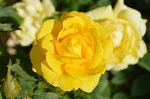 What to do: When planting a rose bush, soak the roots in a ½ cup salt diluted in one gallon water beforehand. Sprinkle a tablespoon of salt in the hole in the ground and cover this with a thin layer of soil. During the growing season, you can sprinkle a tablespoon of salt per foot of plant height to the base of the plant once a month before watering.
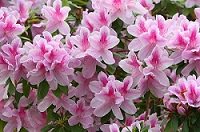 3. Cultivate better flowers and stronger blooms - Experienced gardeners swear that adding epsom salt to their flower gardens benefits the plants. They cite that the added nutrients make their plants healthier, grow stronger flowers and feature blossoms with improved color and texture. Start by adding the Epsom salt to the soil when planting new flower-bearing plants, and after that treat the plants with a liquid solution (same method mentioned in #3) every two to three weeks.
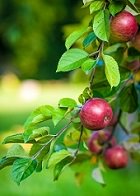 6. Help fruit trees flourish – It is a long process for a tree to bear fruit, but adding the salt to its soil helps the plant reap better-tasting, nutritious and more attractive fruit. It can also help improve photosynthesis, and make the tree more weather and disease resistant. You can treat the trees three times a year with 2 tablespoons per 9 square feet, applied over the root zone.
 10. Put an end to yellowing leaves – When plants lack magnesium or sulfur, their foliage often turns yellow. Epsom salt's technical name is magnesium sulfate, which makes it the perfect fix for this problem. Plants such as ferns, cycads, and elephant-ear plants benefit from richer foliage coloring with Epsom salt treatments. Add epsom salt to soil fertilizer once a month and, if you want to solve the problem more quickly, you can spray a solution of 1 tablespoon per gallon directly onto the plant leaves.
 13. Easily remove tree stumps – epsom salt can help you drain a tree stump, so that it is easier to remove it. Drill holes in the top of the stump, with three to four inch gaps in between, and fill these with the salt. You can also pour it on any exposed roots to dry them out as well. Add water after filling the holes with the salt - it can take several tries to completely dry out the stump, but the salts speed up the process.
__._,_.___
Posted by: Songadh Son <songadhson@gmail.com>
| Reply via web post | • | Reply to sender | • | Reply to group | • | Start a New Topic | • | Messages in this topic (1) |
World's Best forwarded emails...
Spread a word to join amdavadis4ever-subscribe@yahoogroups.com
To translate the posted material into your native/regional language,
please visit http://translate.google.com/
Spread a word to join amdavadis4ever-subscribe@yahoogroups.com
To translate the posted material into your native/regional language,
please visit http://translate.google.com/

.
__,_._,___

No comments:
Post a Comment